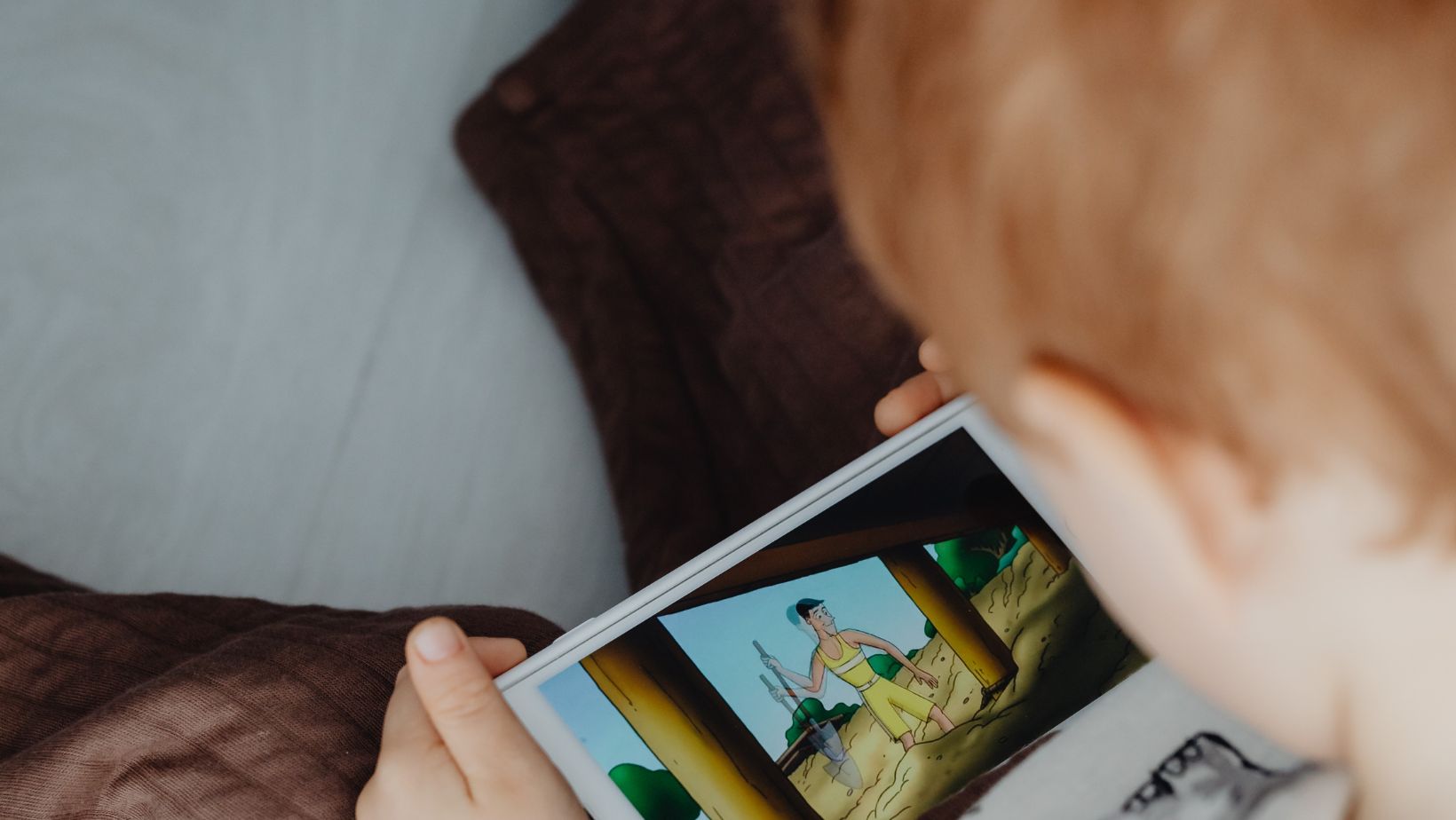
The YouTube Rabbit Hole: Teaching Kids to Question What They Watch
Algorithms + misinformation fears are peaking. Here’s how to teach “Question first, accept later” in 2 minutes at dinner.
Your Grade 1 kid starts watching a video about Minecraft. 20 minutes later they’re deep in “Flat Earth explained” or “This food will kill you”.
You didn’t click it. They didn’t search for it. The algorithm did.
YouTube isn’t evil. But it is designed to keep eyes on screen, not brains in gear. And in Gauteng classrooms right now, teachers are seeing the result: kids quoting videos as fact, unable to tell a real expert from a guy in his garage.
Banning YouTube doesn’t work. They’ll watch on a friend’s phone.
Teaching them to pause and question does. At RHA we call this Habit #5: Question first, accept later.
Here’s how to practice it at home.
1. The problem isn’t YouTube. It’s the “trust reflex”
Kids are wired to trust faces and confidence. If someone sounds sure, speaks fast, and has flashy edits, kids think “that’s true.”
Adults fall for it too. But kids don’t have Habit #5 yet. They accept first, question never.
Your job isn’t to pre-watch every video. It’s to install the pause button in their head.
2. The 2-Minute Video Audit for Families
Do this once this week. Pick any video your child watched today. Doesn’t matter what. Ask these 3 questions out loud:
Question 1: “Who made this, and why?”
What to listen for: “I don’t know” is fine. That’s the point. Follow up: “How could we find out? Is this a teacher, a company, a kid?”
Habit link: Ask why first. Before you believe it, ask why it exists.
Question 2: “What do they want me to feel?”
What to listen for: “Excited”, “Angry”, “Scared”, “Like I need to buy something”.
Habit link: Name it then choose. If the video wants you mad, pause. Strong feeling = slow down.
Question 3: “What would happen if I believed this and it was wrong?”
What to listen for: Their own words. “I’d look silly at school” or “I might eat something bad”.
Habit link: Think who it impacts. Actions have consequences. Beliefs do too.
Total time: 2 minutes. You’re not fact-checking. You’re building the habit of question first.
Do this 3x a week and your kid starts doing it automatically. The algorithm loses power.
3. What to say instead of “Don’t believe everything online”
That phrase is useless. Kids hear “blah blah blah”.
Say this instead: “Smart kids pause before they trust.”
Then model it. Next time you see a wild headline, say out loud: “Hmm. Who made this? What do they want me to feel?” Let them hear you question first.
That’s Habit #5 in the wild. And it works better than any parental control app.
The RHA rule for tech
At RHA we have one rule: “Tech is for thinking with, not thinking for you.”
YouTube is tech. It can teach your kid to code, draw, or fix a bike. Or it can feed them nonsense for 3 hours.
The difference is whether Habit #5 is on or off.
Want to practice this?
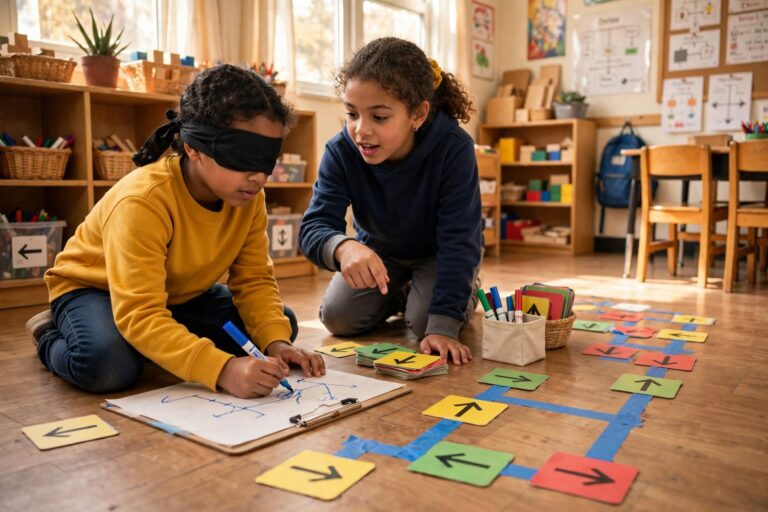
In RHA classes we run “Ad or Expert?” games. Kids watch 10-second clips and have to call out who made it and why. They get loud. They get good at it.
That’s Question first, accept later in real life. And yes — they’ll use it on homework, news, and friends too.
Book a trial class →
P.S. Want the “2-Minute Video Audit” fridge sheet? Reply VIDEO and we’ll send the PDF. Stick it next to the WiFi password.